REVIEW: The Junipers—The Solid And The Hollow (2026)
A 10/10 album if ever I heard one.

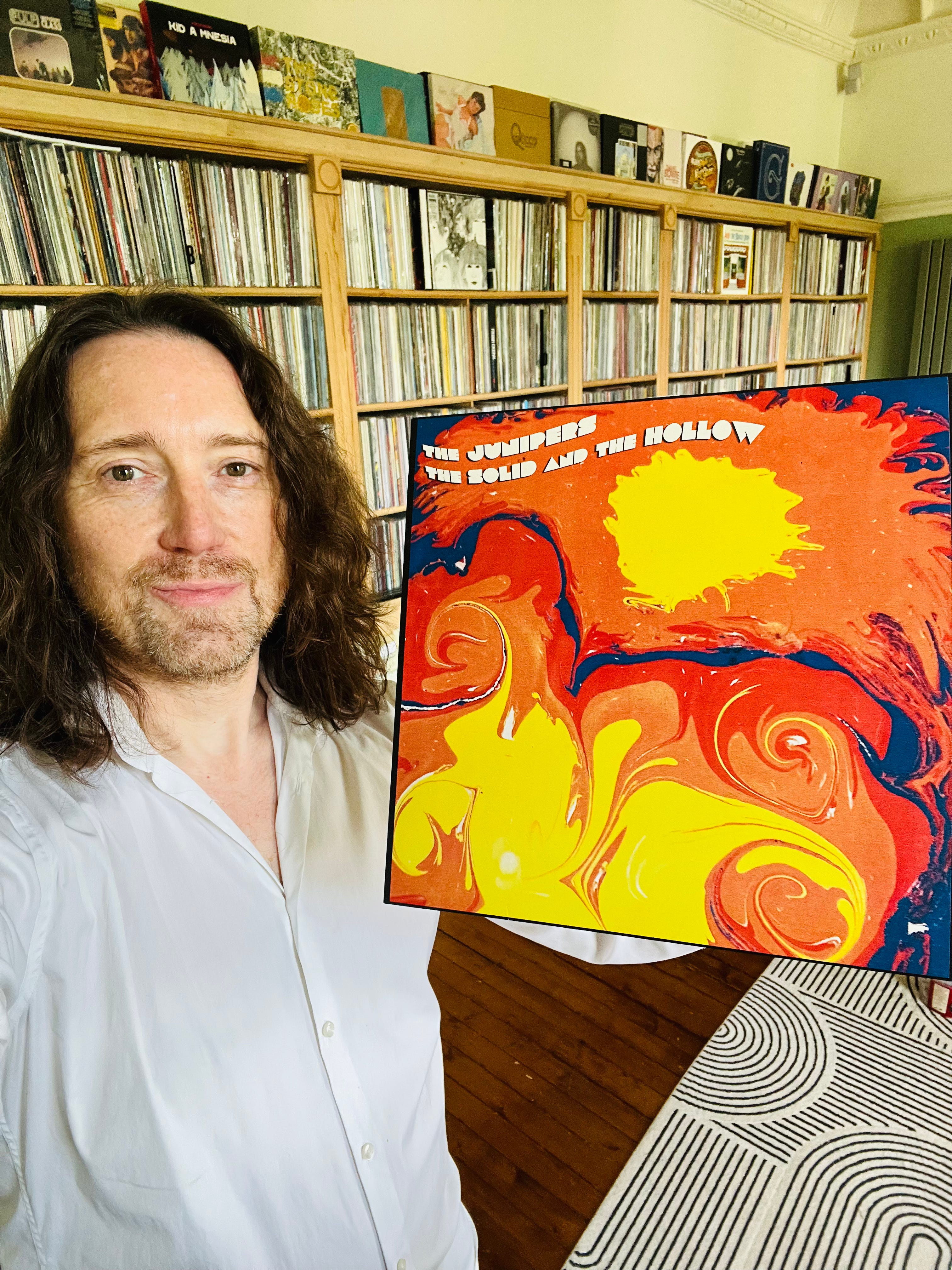
It’s so gratifying when a band suddenly smashes it out of the park with the best album of their career. The Junipers have been quietly putting out whimsical psychedelic albums since 2008, ploughing their own particular melodic furrow to their loyal band of followers. They’re the classic Marc Riley band: they’ll show up for a session here and there, get a few spins on late night radio, go back to their day jobs, and cook up a new record when they have the time. Somehow, 21 years into their DIY career they’ve released one of the best albums so far this year.
From the moment Oneless chimes into the world, it’s clear they’ve hit upon magic. Those omnipresent late 60s influences have more of a late 80s swirl about them, and it suits them down to a tee. There’s a droning simplicity about it, where the guitars sit chiming away on two chords, allowing the dextrous bassline and Robin Gibson’s sublime vocals to carry the melody, with assistance from Joe Wiltshire and Ash Selden on harmonies. It’s one of those classic swirling album openers that lays out the welcome mat. If Teenage Fanclub or The Coral had put this out, it would be on heavy A list rotation, and we’d all be marvelling at their return to form.
No sooner has that chiming masterpiece finished, they smash out another of their best-ever tunes in When She Turns—an acid-fried piece of pop psych out of the top drawer, with its fuzz bass riff thundering along, and all the levels bleeding into the red. Snugly compacted into 2 minutes 28, they don’t waste a moment, Rickenbacker jangling along while the ace hook line “She turns me on” provides the necessary swirl. It’s 1966 The Who meets The Jam meets The Creation, in one bite sized mod psych nugget. A stunning tune.
She Makes The Sun Shine bathes in the same citrus soaking sunshine that the paisley shirt-era Stone Roses positively revelled in for a time. It knowingly sticks in one of those bass riffs Mani would have gone for, while the 12 string chime weaves its magic around their verdant harmonies. The sound of this record is no doubt something the band worked tirelessly on, and they absolutely nail that crunchy warm analog tape saturation thing that retro heads are obsessed with. It captures that band-in-the-room sound so well, using production trickery in the best possible way—it’s ridiculously difficult to get bands to capture their live sound this way, and this has the feel of artisans at work. Lee Mavers would be proud. 60s dust and all that.
You might expect the album to be front-loaded, as they often tend to be, but the hits keep on coming, with Fishes another classy number, with that Ogden’s Nut Gone Flake organ swirl a brilliant touch. They always have a knack of picking a simple riff to work around, and their embellishments always work out—their sonic decision making is outstanding. When the shimmering guitar overdubs glide in, they create their own little psychedelic bubble. Meadow Song is the first one to take things down a notch, picking up the 12-string acoustic and serenading you, laid down under the baking sun on a picnic blanket. “The solid and the hollow/Appear the same/There’s warmth between the shadow/But I can’t stay/That’s just the way”. They turn up the wistful whimsy to 11 on this one, but with a clear-eyed sincerity that works. It’s a beautiful diversion—positively Abbey Road levels of dizzying melodic craft at work here.
Well that was a hell of a Side 1. How can the flip side possibly match all that? They give it a good go with Swan, another lush, mid-tempo number of glorious construction—all swimmy acoustic strums, delicate organ and golden harmonies wafting all over the place. At once a simple song, but pieced together in a way that makes it much greater than the sum of its parts—that’s the real skill of this band, of knowing what works best, and where. Where I’m Landing is another maximum guitar number—it kind of reminds me of that sound Ride were shooting for on Carnival Of Light—only The Junipers do it better, with capos high on the frets, bass sashaying all over the place like Macca on uppers.
No late 60s inspired album would be complete without a sprig of sitar, and they gleefully dispense it on Who Can Say?, which turns a simple acoustic strummer into something bigger and brighter, with its beautiful finger picking figure and sitar drones/plucks garnishing it perfectly, Ash delivering one of his brilliantly busy basslines as a extra melodic engine. In A Maze delivers a late highpoint, finding the band in full pop ditty mode, casually dishing out yet another ear worm. For the climax, the band goes full Brian Wilson-on-the-piano, giving another deliriously gorgeous tune in Moments Of Truth. Beach Boys-meets The Cyrkle is, unsurprisingly a mode that suits them completely.
By the end of the record, it’s fully apparent they can change lanes whenever they like—whatever they turn their hands to on this record they nail 100%. I’d like to think the word of mouth on this album will be sufficient that it will translate into meaningful success. I know it’s virtually impossible for DIY bands to get anywhere (other than occasionally playing around home city Leicester and surrounding Midlands towns). But one of the established bigger bands should insist they become their tour support, and get them out to a wider audience. It’s the least they deserve for making one of the albums of the year.


